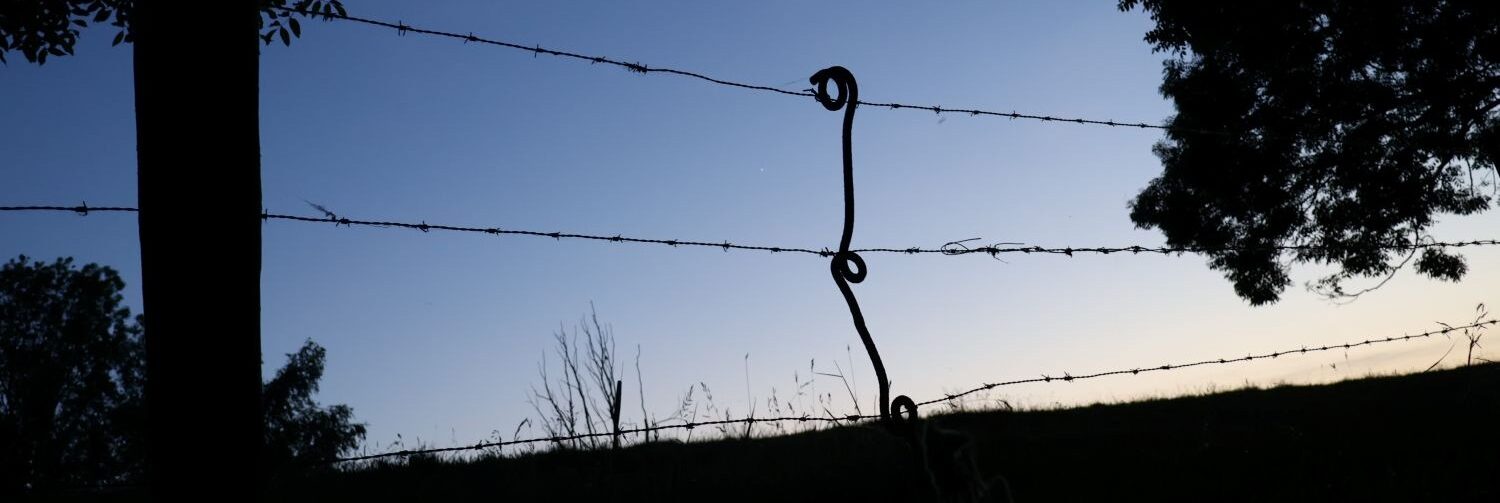
(P. Ferguson image, March 2026).
Decompression Tour – Ieper – 17 March – 31 May 2026
I could not understand why men who knew all about good and evil could hate and kill each other.
Attributed to Mary Shelley, 1818.
Sadly these words attributed to Shelley do not appear within the pages of her 1818 Gothic horror…Frankenstein. The words are a perpetuation, without direct confirmation, a paraphrase of her work. These nineteen words are, however, an all fitting summation that align with the horrors of the Great War.
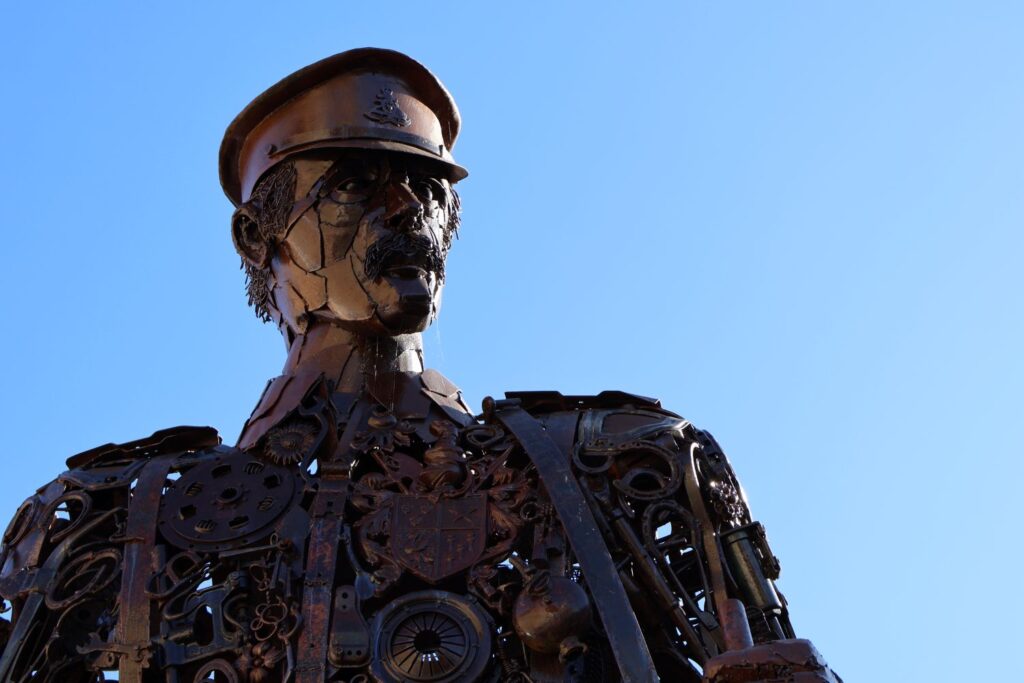
P. Ferguson image, April 2026.
For two and half months I rambled, in contemplation, hiking the Ypres Salient (occasionally with ride assistance) – north to Langemarck, south to Ploegsteert, west to Lijssenthoek, east to Passchendaele and all points between. That this was by foot and hours long at a time provided considerable insight. I felt every step as my journeys brought my contemplations to a considered empathy. The ground on which elders clambered, now without words, speaks and whispers across these landscapes.
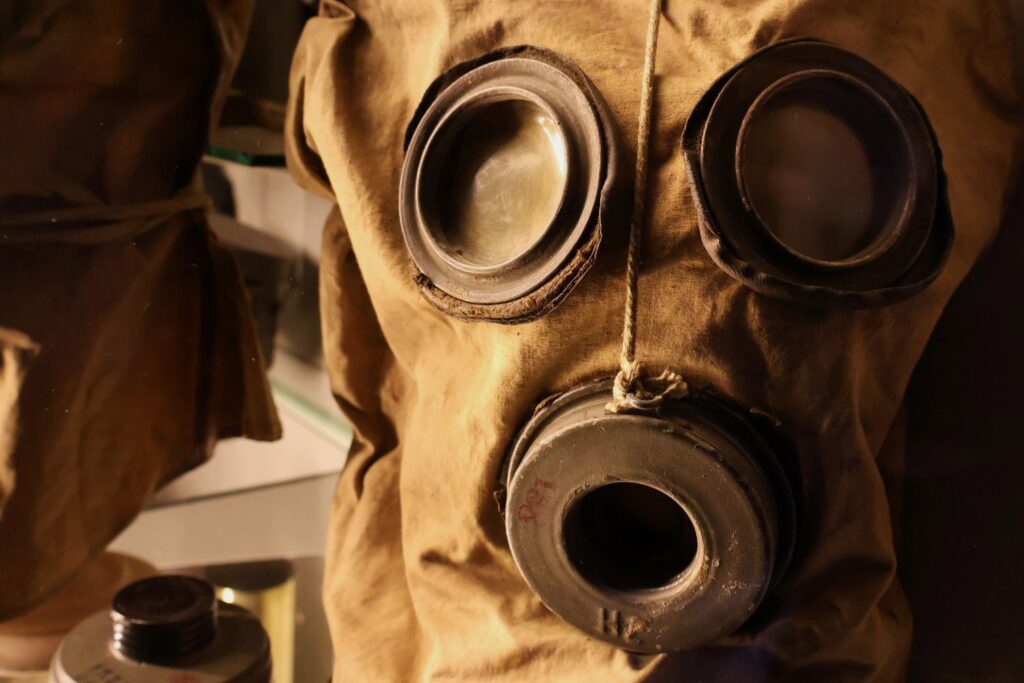
P. Ferguson image, May 2026.
Within walled gardens I visited the witnesses of conflict and with each stride had ample time for meditation…Shaw, Tomblin, Rowland, Brunner, Hofmann, Roth. Graf, Vandenberghe, de Ridder, Delvaux, Dubois, Rousseau, Gauthier, Singh, Chee. Christian, Jewish, Muslim, Hindu, Sikh, Buddhist. 1914, 1915, 1916, 1917, 1918. Poet, And The Leaves of the Trees Were for the Healing of the Nations, Known Unto God, A Soldier of the Great War. So true my penned words from my first visit to Vimy, How many eyes have seen these names and whispered voices read them softly?
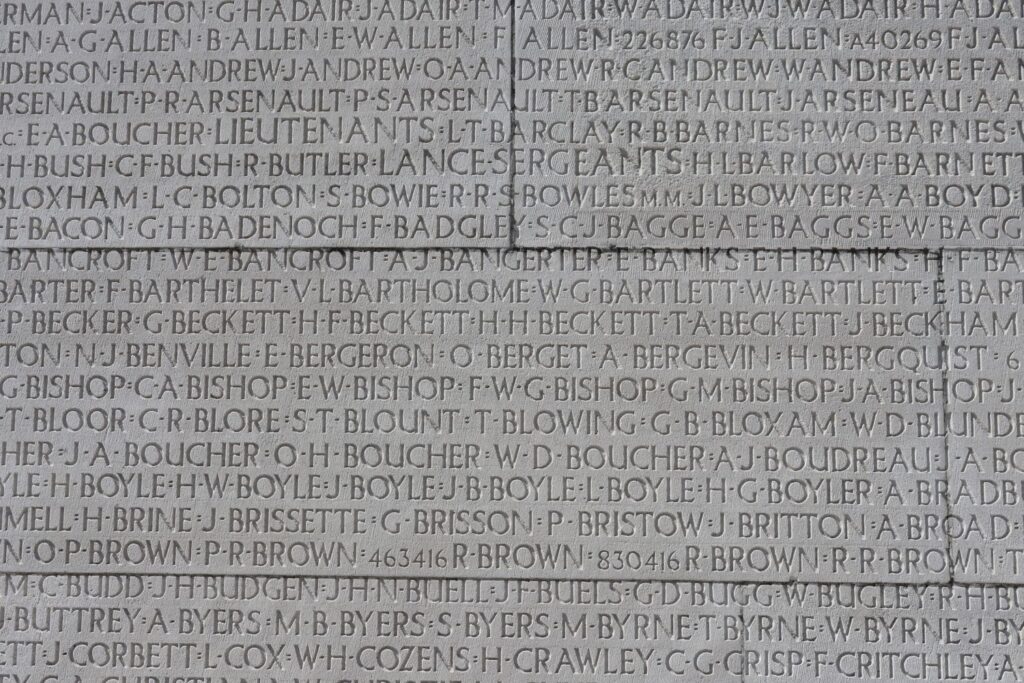
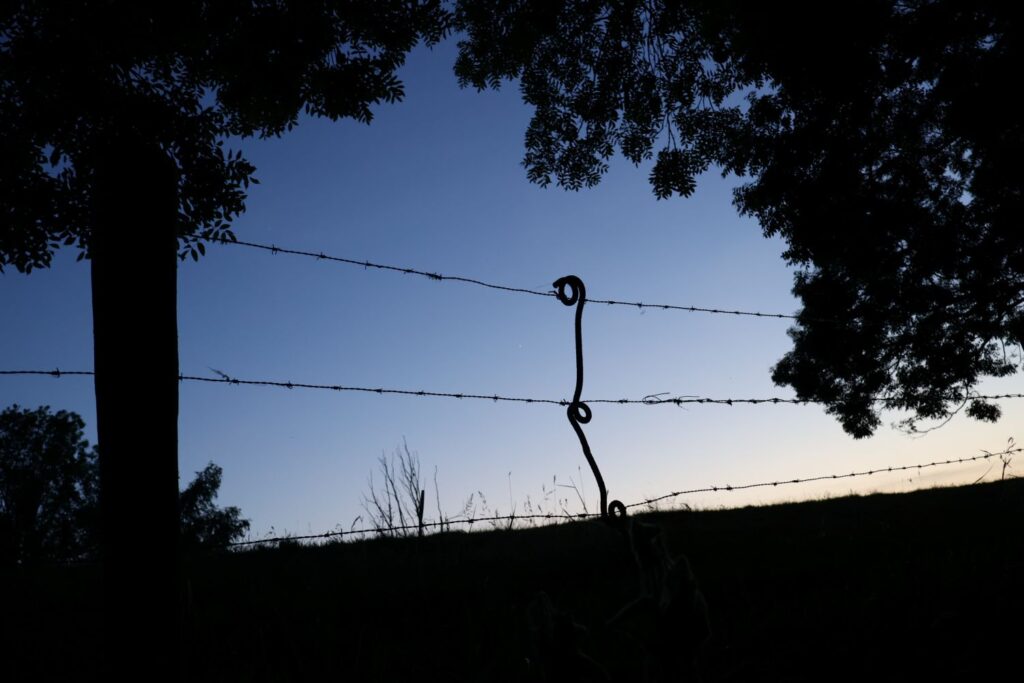
P. Ferguson image, May 2026.
Have I changed?…of course…Though I remain the same being, there has been a metamorphosis, a coming to terms and confirmation of my thoughts on what and how I seek. No longer am I content amongst these haunting landscapes to depict only their facts but also to find within these facts the prajña of my reflections. I have by my hours on the salient found within my person – my own peace, my own healing, my own words reaching to these steps. Questions for our kind, not unlike those after the Great War who found their expressiveness through their arts.
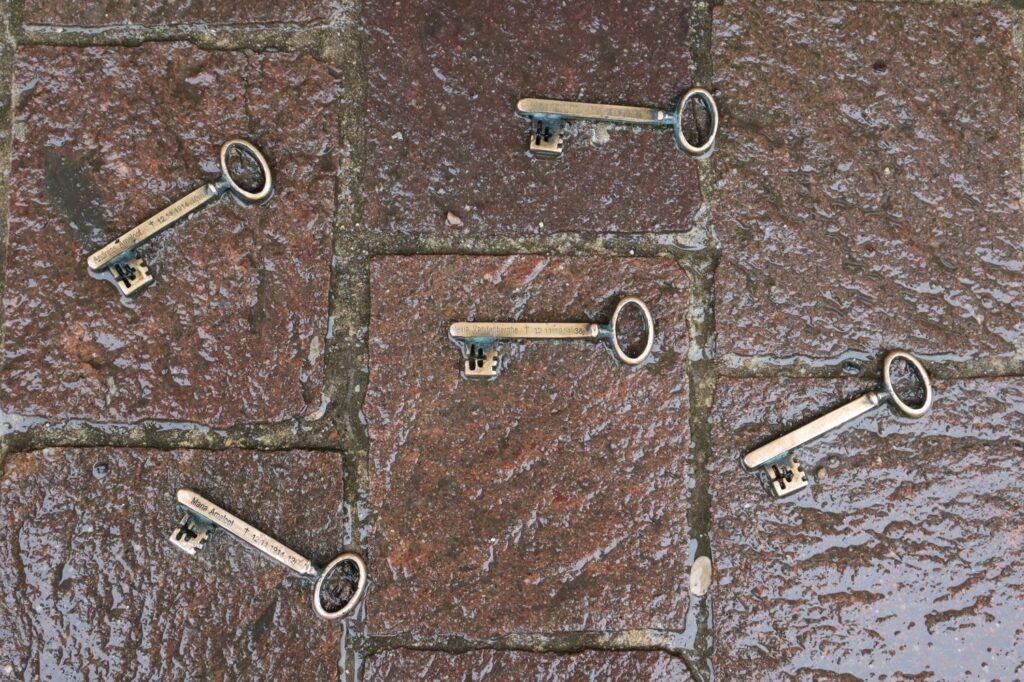
P. Ferguson image, May 2026.
I have managed with my downtime at my Rijsselstraat home, to read through the pages of Conrad, Shelley and Stoker, stories of moral failings, hauntings and isolation. I have held these themes with each personal Salient step, and found across this landscape where these themes occur time and time again. It is the between the years of the two world wars, from about 1919 – 1938, that I have found in the arts many others coming to grip with the horrors of our kind. An exploration I envision to continue, decades leading to decades, understanding context one by the other.
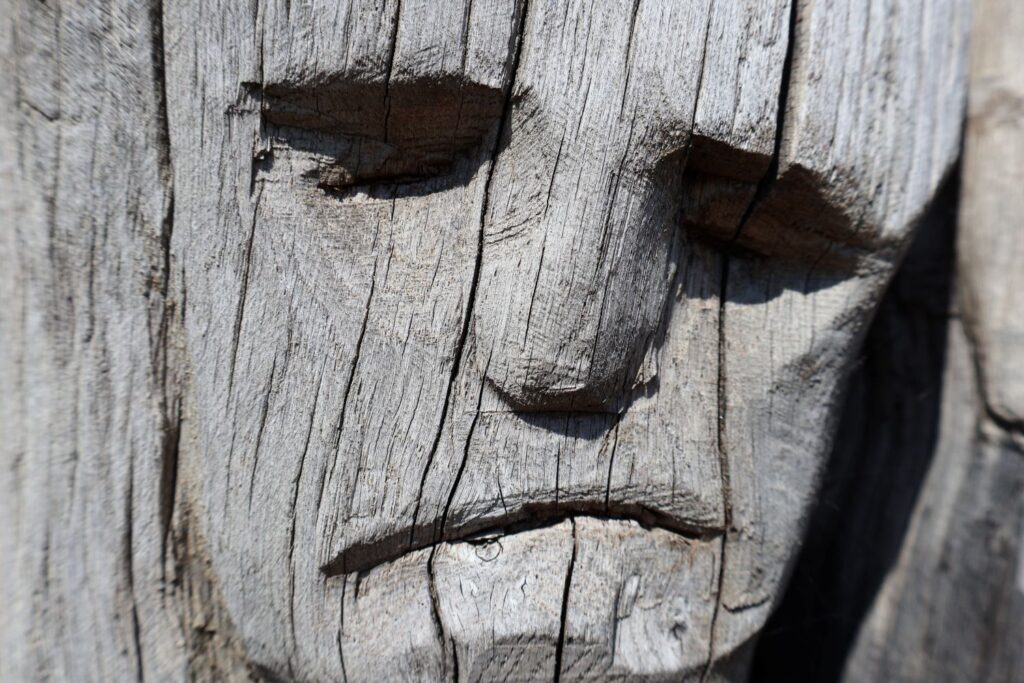
P. Ferguson image, April 2026.
In German cinema Pabst’s Westfront 1918 (1930) depicts the Great War as a nightmare. In 1933 with the rise of the NAZI’s Westfront 1918 was critiqued as degenerative…a depiction of cowardly defeatism and banned. Actor Gustave Diessl was held for a year as a prisoner of war during the Great War played the disillusioned soldier Karl. His well known line, We are all to blame! Diessl later performed as Lieutenant von Schill in one of the last films of the Third Reich, the historical propaganda epic Kolberg (1945).
In American cinema, Lewis Milestone’s All Quiet on the Western Front (1930) is regarded as one of the great anti-war films and opened to wide acclaim. The film’s end scene gave me my pursuit of butterflies in Flanders (with an ending there is a beginning). The written words of All Quiet on the Western Front, authored by German veteran Erich Maria Remarque were also banned and the book subjected to targeted burning.
These portrayals are not without their companions…depictions of horror as monsters…and profoundly influenced by Great War veterans who took their expression to moving images, paint, sculpture, other media and voice.
Frankenstein (1931) directed by former British Army officer and Great War veteran James Whale, reflects in his monster the deep scars of war. In the creature’s footsteps and expressions, one can see the suffering of those whose Great War left them shattered. Watch as step after step takes us to the treatment rooms of hospitals where Great War soldiers continued their struggles. Known then as shell shock, now as Post-traumatic Stress Disorder, the Great War poets Wilfrid Owen and Siegfried Sassoon met in 1917 at Craiglockhart War Hospital an officer’s military psychiatric hospital in Edinburgh, Scotland. Who are these? Why sit here in twilight?…Dawn breaks open like a wound that bleeds afresh…Pawing us who dealt them war and madness. (Wilfred Owen, Mental Cases, 1918)
Former Austro-Hungarian officer, Bela Lugosi appeared in Dracula (1931), a performance some suggest was influenced as a witness to the tumult. Lugosi was wounded three times, rarely spoke of his war though in an apparent 1941 interview Lugosi stated If I am mad, I ask, are not all men who have been through a war a little mad? Have they not the right to be a little mad?
Previously another German film Nosferatu (1922) was heavily impacted by the experiences of Great War veterans Friedrich Wilhem Murnau (Director), Albin Grau (Producer) and Max Schreck (Actor). The film’s rat scene is one of several visuals symbolic of the Great War and its aftermath. Trench rats thrived in the unsanitary conditions of the Great War numbering in the millions creating considerable hardship as they fed off littered rations, corpses, and human waste. Siegfried Sassoon’s poem Aftermath (1919) speaks of the pestilence…Do you remember the rats; and the stench, Of corpses rotting in front of the front-line trench – And dawn coming, dirty-white, and chill with a hopless rain? Do you ever stop and ask, ‘Is it all going to happen again?’…
Similarly the same can be said for the post-war depictions of the Great War on canvas and other surfaces. The considered accumulation of paint on pallets being decidedly fashioned with brush strokes to canvas or board. All are evidence of coming to terms with the haunting aspects of mankind’s ability to destroy one and other. And how have I let slip, till now, Tolkien’s Great War with Lord of the Rings, his fight on the Somme turned to written pages and now film. How these works continue to provide influence and thought. By delving a little deeper…that we might learn from our follies?
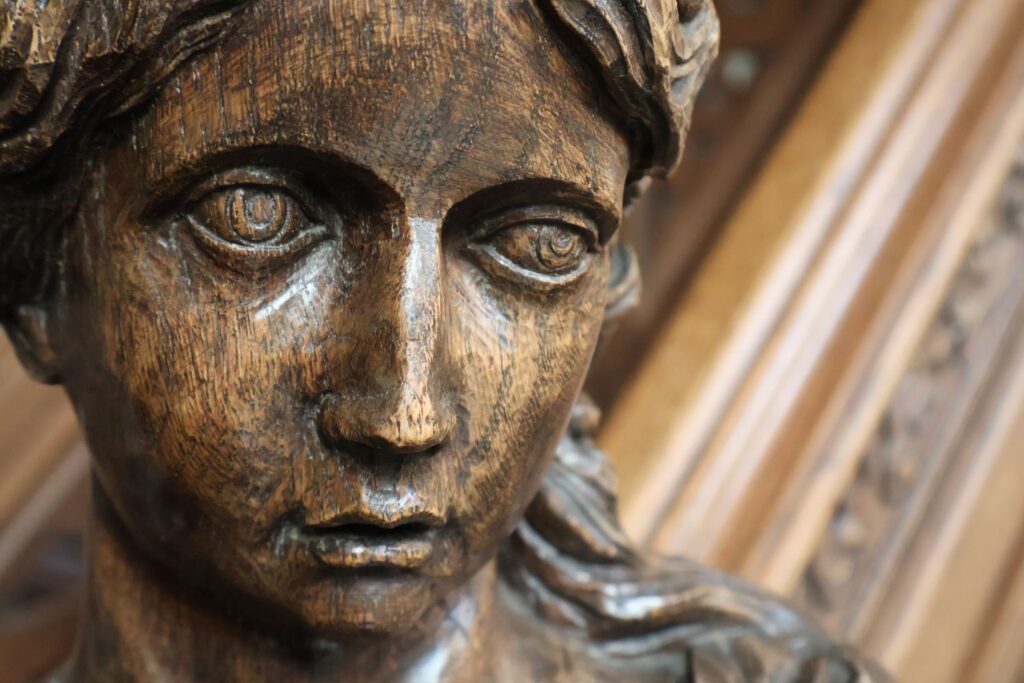
P. Ferguson image, May 2026.
Within all the words I have read…one passage from Dracula speaks to the truth of our paths (our pilgrimages), though the truths (the evidence of remembrance) remain in France and Flanders…so too does the monster. In the summer of this year we made a journey to Transylvania, and went over the old ground which was, and is, to us so full of vivid and terrible memories. It was almost impossible to believe that the things which we had seen with our own eyes and heard with our own ears were living truths. Every trace of all that had been was blotted out. (Stoker, Dracula. Note).
P. Ferguson image, April 2026.
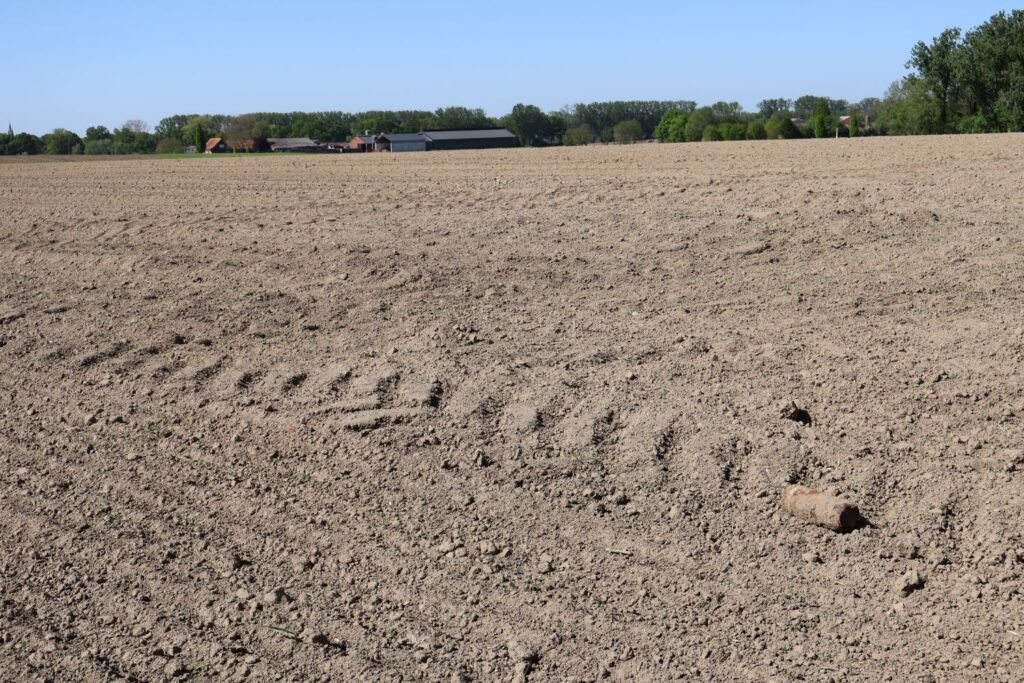
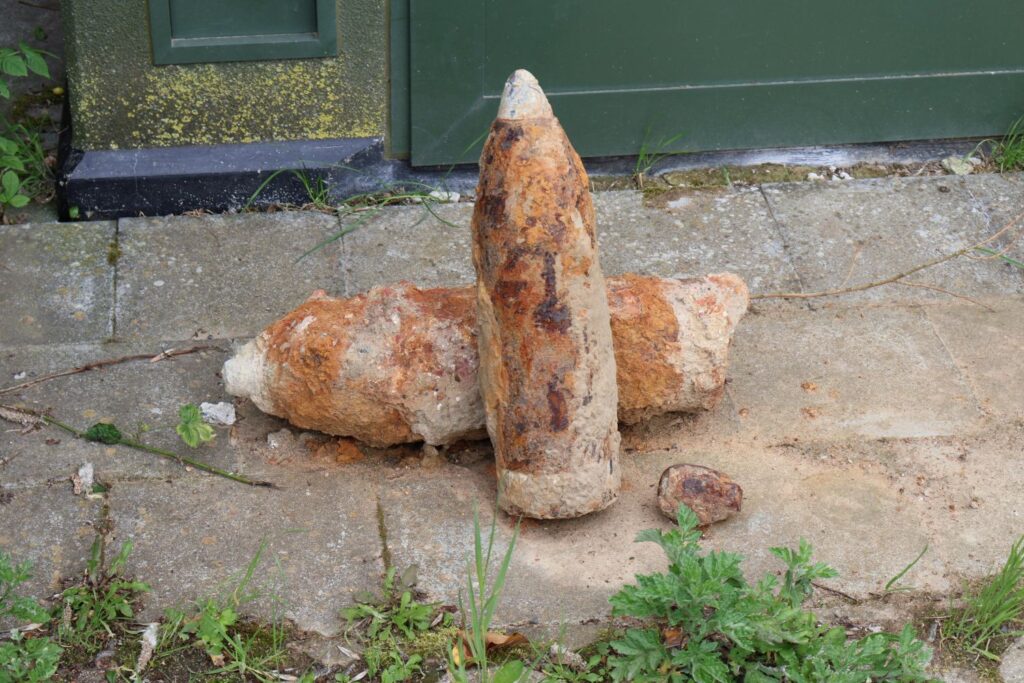
Finally one other monster existed on my hiking trails. After years of burial the iron harvest’s rusted form rises to the surface time and time again as blades of steel carves these lands in preparation of the fields of bounty. Prior to these encounters the harvest seemed dormant until a news story reported 85 Great War shells were discovered on a single day. As I walked along the Kriekstraat and on another day at Gravenstafel three rounds were seen along the roadway’s edge.
It is at these times I recall the profits of the war’s aimed engineering becoming twisted within law. After the Great War German munitions firm Krupp sued British munitions firm Vickers for royalties based on the use by the British company of the German patented artillery fuses during the conflict. And so the monster continues…now rusted and scarred…but taunting the tenets of peace by their presence.
P. Ferguson image, May 2026.
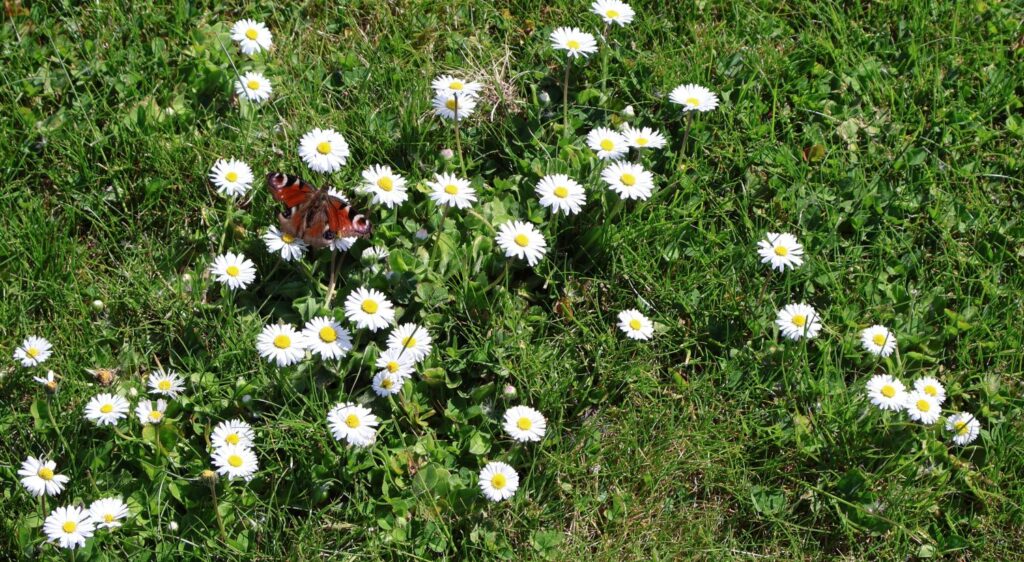
Whilst on the trail of my essence of place search, I captured many hundreds (thousands) of images. At times, in my review, I became aware that many pictures were purely for future reference. The images I became especially interested in were those within the context of my feelings about place…about Ieper…the Salient…France…and the Great War. Mingled with stories read and films watched I have sought within my Ieper (and France) experience the images that capture my overarching themes…the Conrad…the Shelley…the Stoker…my words…my adapted screenplay of the Great War I hiked.
P. Ferguson image, April 2026.
Though now, 31 May 2026, is the time in Ieper to say to those I have passed either as messengers, friends, pilgrims and the fallen…be well…remember them well. I have spent my time finding as much in the peace as in the conflict. I am slightly older, chased the powdered wing across the stones of heaven…read and reread the names of the many but sadly like Conrad’s Stein I must be leaving now…
He [Stein] is ‘preparing to leave all this; preparing to leave…’ while he waves his hand sadly at his butterflies. (Conrad, Lord Jim, 1900)
Addendum 3 June 2026
I descend the stairs of the Windermere Hotel towards the dining area. With my first steps Sign of the Times fills the air. I smile…a full circle completed…my decompression complete. For two and a half months Harry Styles’ song has resonated with my steps…the bullets, the bullets… I have thought upon its lyrics, watched Mr. Styles walk, reflect and rise caught between earth and heaven. His hand at times outward, palm towards the ground…like Maximus…there is something here…there is something wherever we choose to look…the greater act is in the choosing. We never learn, we been here before…we can meet again somewhere…we don’t talk enough, we should open up…all I have seen…all I have contemplated…my decompression complete.
Special thanks to Rosemary (my best friend), Shannon (web wizard), Elodie (Main Street Hotel and Apartments, Ieper), Nele and Robin (Commonwealth War Graves Commission, Ieper), Christian and Annette (Camalou Tours, Vlamertinge) and all of the Great War’s elders.