
P. Ferguson image, May 2026.
And the leaves of the tree were for the healing of the nations
(Revelations 22:2)
After Agny the drive to Gommecourt British Cemetery No. 2, takes about twenty minutes. As we near I contemplate this landscape and horizon…it is quiet…now…these were battlegrounds. There are four Gommecourt cemeteries created after these battlefields were cleared in 1917. Here at No. 2 cemetery I step towards Captain Richard Lennard Hoare lost to our world, his family and friends 1 July 1916. Many of the graves are from that dark day of the British Army when 19,240 were killed and 35,493 wounded…101 are buried at Gommecourt No. 2. (107 at No. 1, 117 at No. 3 and 70 at No. 4).

P. Ferguson image, May 2026.
With my approach towards our Captain’s rest and in the near distance, too quick to film, too sudden for a picture a startled cock pheasant breaks its cover and storms skywards…as quick as its flight – it descends, landing nearby but again obscured by nature’s layers and colours. Hidden from view the pheasant has found refuge where its heartbeat can return to a gentle pace. Equal to its wing’s pounding one can imagine the pace of its frantic heart. We have all heard this beat within ourselves.

Image courtesy of Pixabay.
Today at my keyboard I carry again with this promised visit my own frantic heart. One that beats to my wishful promise. I hear my heart now, the steady beat that is life. My pheasant memory, my Gommecourt steps, Captain Richard Lennard Hoare (12th London Regiment. The Rangers) will endure for the remainder of my days. I reminisce…at home walking the farm fields and wire fence lines of my youth the sudden explosive flight of a pheasant. Great surprise to myself the wanderer. The sudden wing-burst cannot be forgotten. The bird escapes danger. I have been witness here at Gommecourt to nature’s accent to my kept promise.

P. Ferguson image, May 2026.
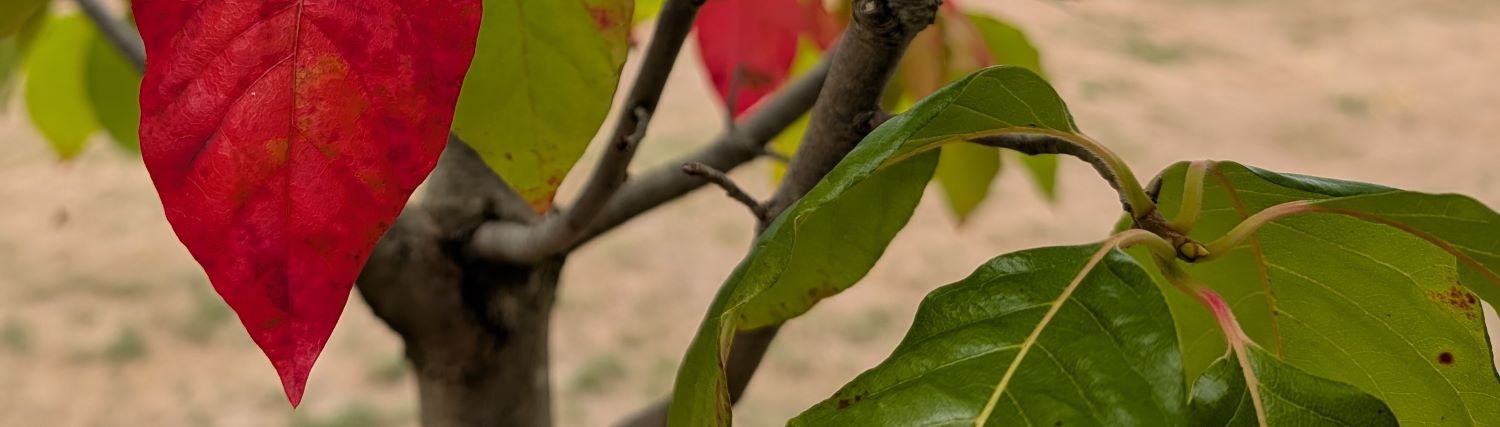
I became interested in Captain Hoare when learning of his marker inscription provided by his mother Mrs. Laura Hoare And the leaves of the tree were for the healing of nations. The inscription, from the book of Revelations, describes the apocalyptic visions of John culminating in Christ’s final victory over evil. With the phrase I see the many, the colours of earth, green and coloured leaves that cling to tree branches the providers to our world of oxygen and carbon sequestration, new and old life, the multitude of souls…amongst the green, the red, the organic beckoning and symbols of life’s cycle.

Image from A Surgeon Goes to War. (Cambridge University Press)
Here amongst Gommecourt’s colours, green grass and flowers the contrast of grey solemn stone markers, but so too the brilliant colours of the rising pheasant. With its wing-burst (the flush) the drone of past echoes (reflected sound). In chaos finding the peace. This day I have made my way, my promise complete…my connection to Gommecourt, to Richard Lennard Hoare and his mother Laura, complimented by a surging winged heartbeat. And here at home I rest my eyes, find a few more words and close to the sounds of another chorus that equally endures in Gommecourt’s peace and chaos that cuts my red heart in two…the pain of separation from loved ones…the longing for lost memories.
Special thanks to the Wallander (BBC. 2008 – 2016) series that brought me to Emily Barker as the crow (or pheasant) flies.